
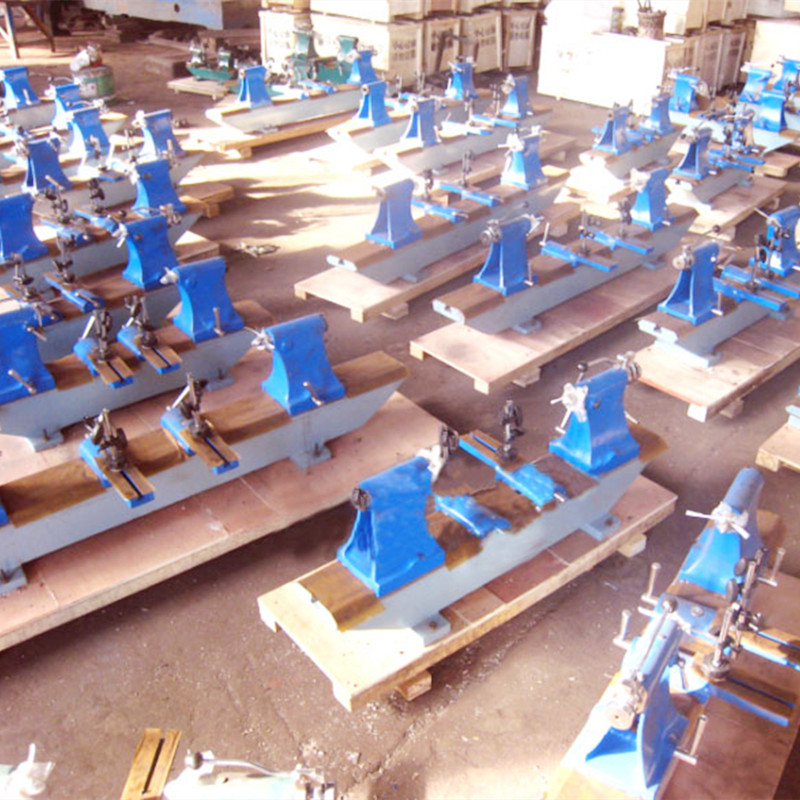
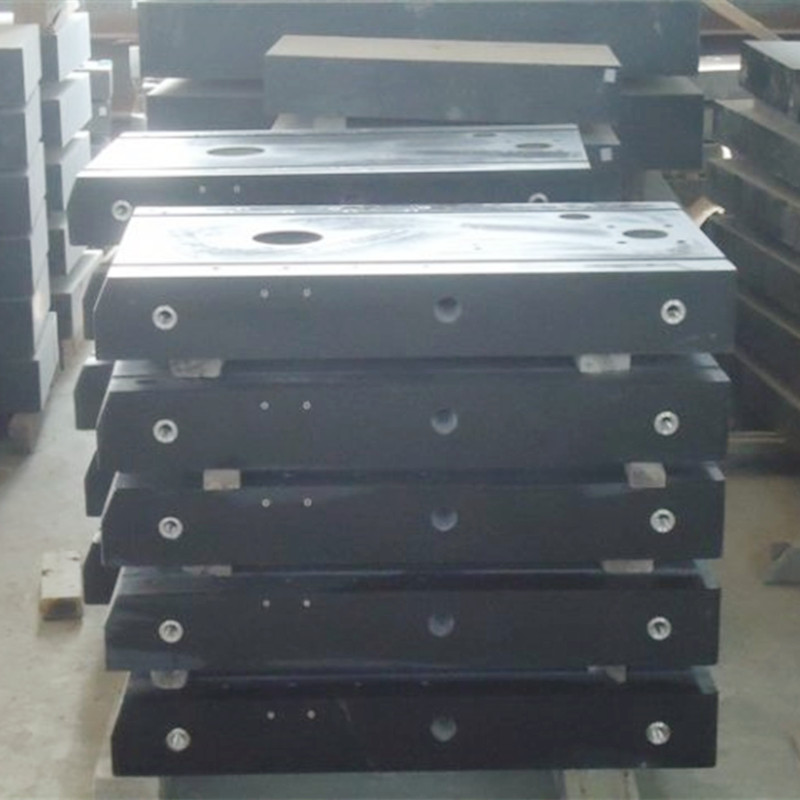
black mirror square
Understanding Standard Bore Gages A Comprehensive Overview In the realm of precision measurement, standard bore gages play a crucial role in ensuring the accuracy and quality of cylindrical parts and components. These specialized tools are essential for industries that require meticulous tolerances and consistent performance, including manufacturing, automotive, aerospace, and heavy machinery sectors. This article explores what standard bore gages are, how they function, their applications, and their significance in industrial settings. What is a Standard Bore Gage? A standard bore gage is a measuring instrument specifically designed to assess the internal dimensions of cylindrical holes or bores. It is used to determine various parameters, such as diameter, roundness, and finish, ensuring that the internal dimensions of a component meet the required specifications. Standard bore gages can range from simple, mechanical versions to sophisticated electronic models that provide advanced data analysis and reporting capabilities. How Do Bore Gages Work? The basic operation of a standard bore gage involves inserting the gage into the bore to measure its diameter. The gage typically consists of a measuring head and a pair of contact points, which expand or contract to fit the internal dimension of the bore. The measured diameter is read on a scale or a digital display, depending on the design of the gage. There are several types of bore gages, including 1. Mechanical Bore Gages These use mechanical components like springs and levers to perform measurements. Operators read the measurement directly off a dial or scale. Although often less expensive, mechanical gages can be prone to user error and require careful handling. 2. Electronic Bore Gages More advanced than their mechanical counterparts, electronic gages incorporate digital displays and sensors to provide precise measurements. They often feature data output options for easy integration with manufacturing software, enabling real-time quality control and monitoring. 3. Dial Indicator Bore Gages Utilizing a dial indicator to measure deviations from a reference point, these gages provide accuracy and a rapid assessment of hole roundness and straightness. Applications of Standard Bore Gages standard bore gage Standard bore gages are utilized across various industries for diverse functions, including - Quality Control Ensuring that machined components meet specified tolerances is paramount for maintaining product integrity. Bore gages are instrumental in quality assurance processes, helping to identify deviations before parts go into production or assembly. - Manufacturing Automated and manual manufacturing processes often rely on bore gages to verify that components fit together as designed. This measurement is vital for assembly lines, where even the slightest variation can affect performance or lead to equipment failure. - Maintenance and Repair In maintenance operations, standard bore gages help technicians assess the wear of components over time. For instance, in automotive or aerospace applications, understanding bore wear is crucial for maintaining engine performance and safety. Importance of Using Standard Bore Gages Utilizing standard bore gages ensures precision in manufacturing processes, reducing costs associated with rework and scrap. By accurately measuring bore dimensions, manufacturers can enhance product quality, leading to improved customer satisfaction and market competitiveness. In addition, standardizing measurement practices through the use of bore gages helps maintain consistency across production lines. This consistency is essential, especially in industries where safety and regulatory compliance must be adhered to. Moreover, the evolution of technology has enhanced the capabilities of bore gages. With features such as data logging, automated measurements, and ease of integration into digital workflows, modern bore gages provide manufacturers with powerful tools to meet the challenges of contemporary production environments. Conclusion Standard bore gages are indispensable tools in the world of precision measurement, providing a means to measure and ensure the internal dimensions of cylindrical components. From quality control in manufacturing to maintenance assessments, these tools play a significant role in maintaining the accuracy and reliability of products across various industries. With advancements in technology, the capabilities of bore gages continue to expand, making them even more valuable in today's highly competitive market. As industries seek to improve efficiency and reduce costs, the adoption of standard bore gages will undoubtedly play a pivotal role in achieving these goals.
about
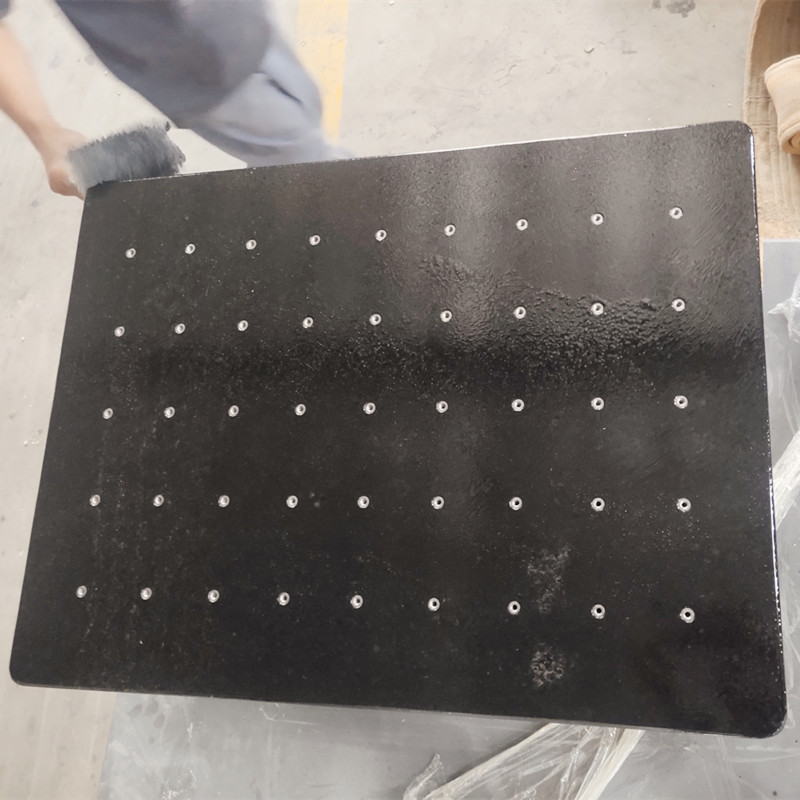
black mirror square
Understanding Pin Gauge Sizes A Comprehensive Guide In the realm of precision engineering and manufacturing, ensuring the accuracy of dimensions is paramount. One of the essential tools used in this domain is the pin gauge, also referred to as a pin gauge set or plug gauge. Pin gauges are cylindrical rods that are used to check the diameter of holes, the depth of holes, and to ensure that components fit together correctly. Understanding pin gauge sizes is crucial for engineers, machinists, and quality control specialists who strive for precision. What Are Pin Gauges? Pin gauges are highly precise measurement tools designed to determine whether a hole or feature meets specific dimensional requirements. They come in a variety of sizes, allowing for the measurement of different diameters. Typically made of high-quality steel, pin gauges are often ground to tight tolerances, ensuring they provide accurate measurements essential for maintaining quality in manufacturing processes. Types of Pin Gauges There are two primary types of pin gauges go gauges and no-go gauges . 1. Go Gauges These are used to determine whether a workpiece meets the minimum acceptable size. A go gauge should fit into the hole or slot without force if the dimension is correct. 2. No-Go Gauges In contrast, no-go gauges are designed to check if a part exceeds the maximum allowable size. If a no-go gauge fits, it indicates that the part is out of specification. Using both types of gauges ensures that components are within specified tolerances, thus reducing the risk of assembly issues and failures later in the manufacturing process. Understanding Pin Gauge Sizes pin gauge sizes Pin gauges come in various sizes, typically categorized by diameter and are available in sets that cover a range of measurements. Common diameters can range from fractions of a millimeter to inches, depending on the requirements of the application. It is essential to select the correct pin gauge size based on the specific measurement you wish to verify, which is usually dictated by engineering specifications or standards. Manufacturers and engineers need to be particularly aware of sizes based on standard size series. The American National Standards Institute (ANSI) and the International Organization for Standardization (ISO) provide guidelines on standard sizes, making it easier for professionals to select the appropriate gauge. Applications of Pin Gauges Pin gauges are utilized across various industries, including - Manufacturing Pin gauges help ensure that machined parts meet stringent tolerances, preventing defects that could lead to machinery failure. - Aerospace In the aerospace sector, where components must meet meticulous safety standards, pin gauges play a critical role in quality assurance. - Automotive In automotive engineering, pin gauges are essential for ensuring that parts fit together correctly and function as intended, which is crucial for vehicle safety and performance. - Medical Devices Precision is vital in medical device manufacturing. Pin gauges assist in meeting regulatory standards for size and fit, which can have a direct impact on patient safety. Conclusion In summary, pin gauges are indispensable tools in engineering and manufacturing, ensuring that parts are manufactured to exact specifications. Understanding how to use and select the appropriate pin gauge size is essential for professionals who aim to deliver high-quality products. As industries continue to demand precision and reliability, the importance of tools like pin gauges cannot be overstated. By adhering to standard sizes and utilizing proper gauging practices, engineers can enhance the integrity of their manufacturing processes and ensure that the end products meet the highest standards of quality and performance.
-

High quality industrial productsagement

High quality industrial products
View Details -

Meet the diverse needs of customers

Meet the diverse needs of customers
View Details -

Strict quality control

Strict quality control
View Details -

Top raw materials

Top raw materials
View Details -

Trusted supplier

Trusted supplier
View Details
Our application
news and information
Válvula Principal de Água - Soluções Eficientes para Controle de Água
Válvula Principal de Água A Vital Importância no Sistema Hidráulico A válvula principal de água é um

Where to Find the Best Valve for Sale
Valves are the unsung heroes of industrial operations, playing a critical role in controlling the fl
Wood Villa House Truss Repair Mending Nails and Plates Solution
The Essential Role of Truss Mending Nail Plates in Wooden Villa Construction In the realm of archit
 English